


TAG · AI solutions
Less repetitive work.
Your tools. Your team. New possibilities.
What could your business do next? ↓Free 90-second preview or a 45-minute meeting. Your choice.
Less busywork.
Start with a clear plan.
Find what slows you downChoose what to improve
01Audit
Understand your business
Map your workflows, systems, data, and digital presence. Find the work that slows your team down.
A clear picture of the bottlenecks.
02Prioritize
Choose the right first project
Weigh value, feasibility, cost, and risk. Agree on one useful improvement and a measurable starting point.
A focused scope, not another tool to manage.
03Build & connect
Build and connect it
Create one solution or a coordinated team of AI agents. Connect your tools, set approvals, and prepare your team.
A working system with people in control.
04Measure
Measure and improve
Compare with the starting point. Improve what works, then expand where the evidence supports it.
Real results guide the next investment.
Choose your next move.
Discover an opportunity in 90 seconds, or meet with us directly.
The intelligence isn’t another tool.
It’s the connection.
See the full Intelligence Layer in action
A clearer picture.
Your team in control.
Bring your existing tools together. See what needs attention, approve the next step, and track what worked.
- Connect
- Understand
- Decide
- Act
- Measure
Connect customer records, accounting, email, documents, inventory, and other approved systems.
Your tools
LAYER
Your business, connected
Now it all works together.
Your business already has the information. TAG helps you put it to work.
Every result informs the next decision.
Show me where TAG could helpResults return to TAG. TAG processes the information and coordinates action across your CRM, documents, email, spreadsheets, inventory, and APIs.
Now imagine it working for you.
Choose a possibility. See it in action.
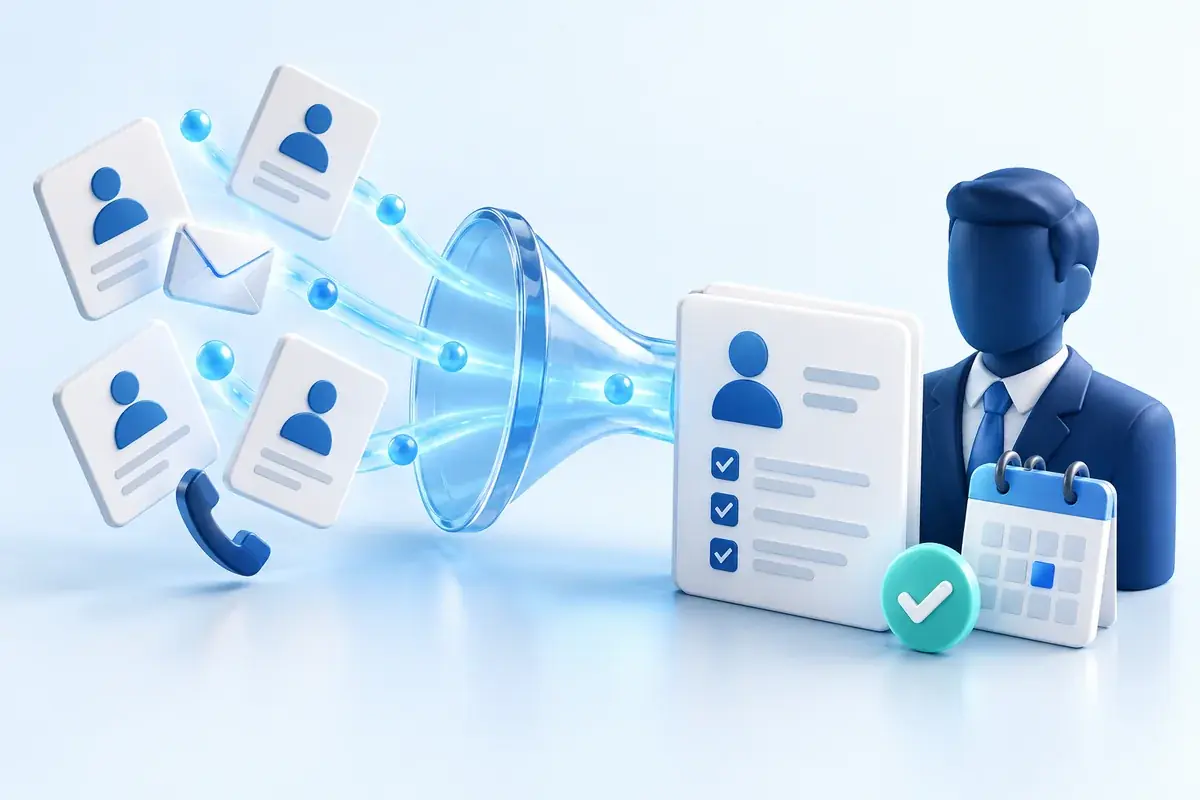
- AI AgentsTurn inquiries into clear next steps.
- AI-Ready WebsitesTurn visitors into conversations.
- CRM & Sales SystemsKeep leads and follow-up connected.
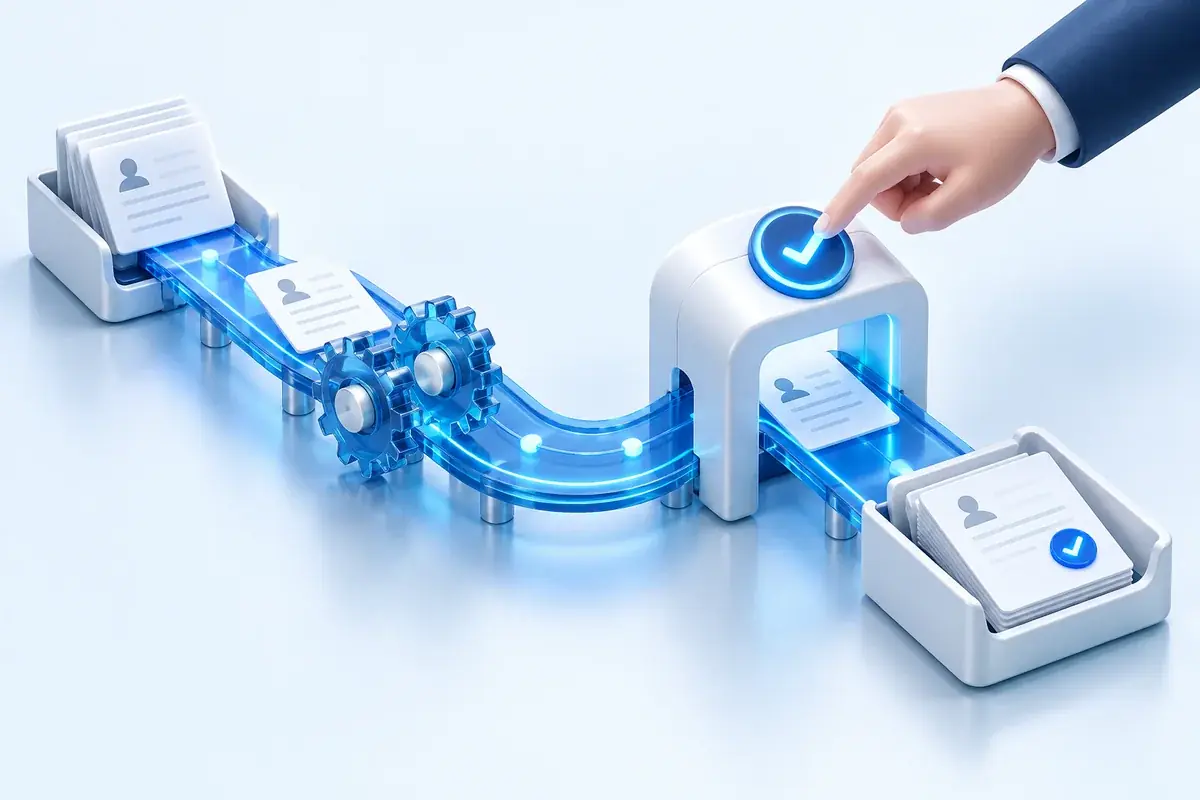
- AutomationLess repetition. Approvals stay in place.
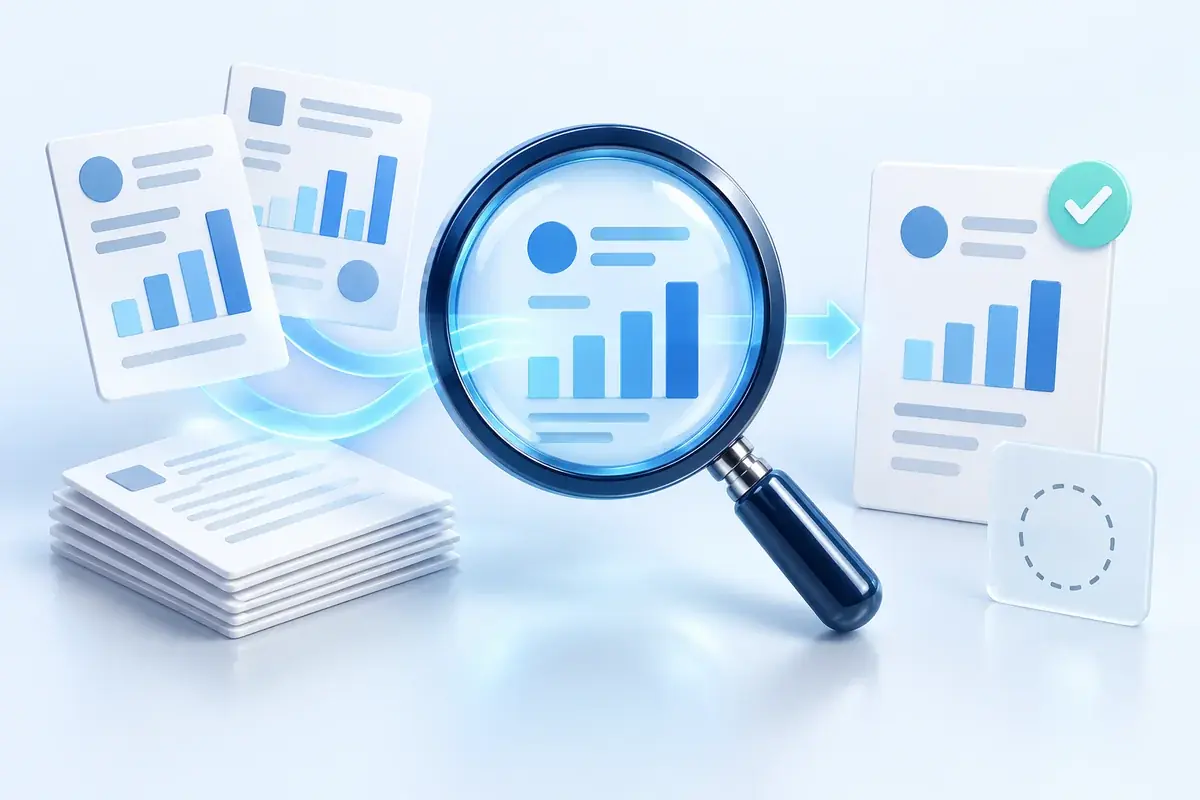
- Business IntelligenceSee what needs attention and why.
- Systems IntegrationMake your existing tools work together.




Before we get started.
A few practical answers about working with TAG.
What happens when I contact TAG?
We start with your business question: where work slows down, inquiries get missed, or information is hard to use. From there, we can discuss whether an assessment or a deeper audit is the right next step.
Is the online assessment the same as a full business audit?
No. The free Opportunity Finder takes about 90 seconds across three questions and shows an immediate suggested next step. A detailed executive assessment is available separately. A deeper audit involves reviewing your workflows, systems, and priorities with your team; its scope is agreed separately.
Do we have to replace our existing systems?
Not by default. TAG looks for ways to connect and improve the systems you already use. Access, data quality, integration options, and any changes needed are assessed before the work is scoped.
What can TAG build?
AI agents, AI-ready websites, CRM and sales systems, automation, business intelligence, and systems integrations. The right combination depends on your business problem, not on a fixed package of tools.
Will people stay in control?
The scope defines what a solution can access, what it can do, and which actions need approval. Human ownership, access boundaries, and a record of important actions are part of the design.
What about pricing, timelines, and ongoing support?
These depend on the agreed scope, integrations, and complexity. We discuss implementation, team handoff, and any ongoing support before the engagement begins. There is no one-size-fits-all timeline or guaranteed business result.
Meet Gus and Julian, the team behind TAG, or read how we approach security and governance.
Talk to TAG
Your business.
Let’s talk.
Tell us what takes too much time. We’ll explore whether AI could help.